
THE tiling sector is almost full to bursting with new products, all claiming to be the next big thing. However, there’s one material that has stood the test of time and been a consistently popular choice with clients and specifiers alike throughout the different interior design trends: natural stone. Matt Robb, marketing & media manager at The Stone Federation elaborates
What makes natural stone such a consistently popular choice is that no matter what the colour or texture of the moment is, there’s a stone that delivers it. Natural stone not only delivers attractive, durable projects, it’s also the original sustainable material choice for tiling projects.
As the industry has become increasingly aware that a ‘business as usual’ approach to the carbon impacts of design and construction is no longer an option, there’s a fresh drive to consider and reduce the ‘whole-life carbon’ impacts of projects.
In short, whole-life carbon includes both embodied carbon and operational (in-use) carbon. It includes material extraction or creation and transport as well as lifetime emissions from maintenance, repair, replacement, and disposal of the materials.
For clients looking to select materials that minimise carbon impact, natural stone is a fantastic choice delivering sustainability in both its extraction and whole-life value, and ultimately a more cost-effective solution.
However, we know that in most cases the first place a client starts when choosing materials is not its carbon assessment report but how it looks.
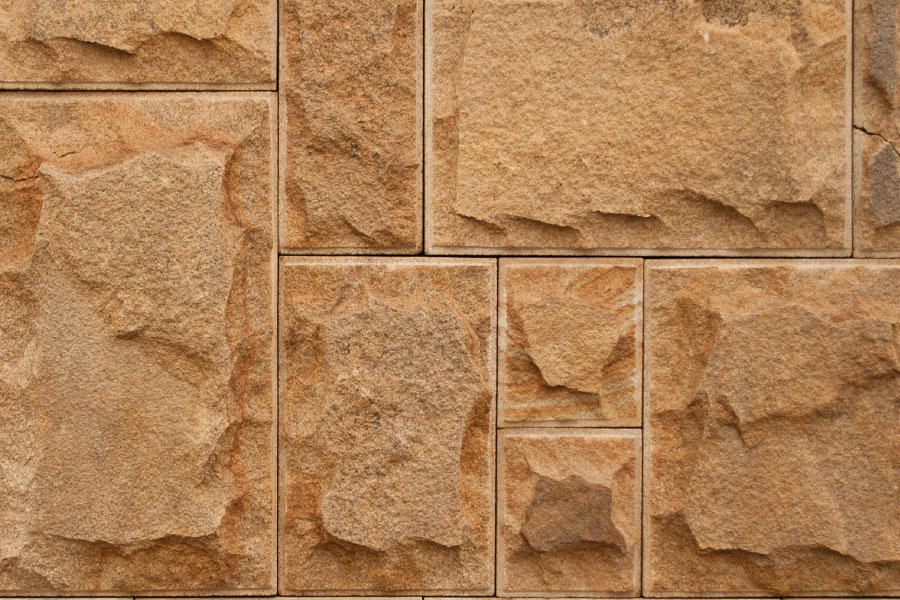
One of the trends that we’re seeing is a move towards a more natural aesthetic; something that celebrates the truly unique nature of natural stone, the fact that no two pieces will ever be exactly alike. It’s a trend that many of the man-made products try to emulate but can never truly create, as a truly natural product will only ever be exactly that, created by nature.
More clients are celebrating, rather than selecting out the natural veins and changes in tone found within a natural stone slab. It’s all about allowing the stone’s natural beauty to inform the design rather than the design trying to change the natural range found within stone.
Coincidentally, this way of using natural stone also helps reduce the carbon footprint of the project as it reduces waste. By being overly selective with the approved vein patterns and tones in a stone slab you’re creating more waste as opposed to celebrating the material’s natural beauty and fully utilising what these organic processes have created.
This trend for natural materials isn’t just isolated to stone, a rise in the popularity of wood within the design community stems from the same passion for organic design which also draws in the popularity of biophilic design.
In short, it’s a desire to celebrate and utilise what nature has already provided for us, rather than trying to copy it with man-made, and often higher carbon copies.
Another trend we’ve seen is the return to exploring materials closer to home, celebrating indigenous materials to help create a strong link between the design and its location.
This has been, in part, fuelled by the rise in clients engaging with local makers and craftspeople to add unique pieces, be that furniture or art to a project.
Historically, before the age of global shipping and the seemingly endless supply of imported materials, properties were created using the material available close at hand.
In the UK we have a fantastic tradition of local stone shaping the design and architecture of our towns and cities. Whether it be the Bath Stone townhouses of Bath or the Clipsham Stone buildings of Stamford, the Sandstone homes and hotels of Edinburgh or Scotland’s Granite city of Edinburgh, stone has shaped the architectural vernacular of our country.
And it’s on the rise again.
We’re seeing more schemes where local stone is helping to create designs that reflect the location of the project. Whether that be locally sourced limestone or slate flooring, or feature pieces and furniture created using local sandstones and granites.
This year, the RIBA House of year was a stunning scheme on the Isle of Harris created using the same stone that surrounds the property’s rocky surroundings. Now while this is an external scheme and not tiling, we know that RIBA House of the year is always a good gauge of trends within the broader design community.
As designers look for products that deliver both the natural aesthetics previously mentioned and something that ties the property to its locality, UK natural stone is providing an ideal choice.
This has also challenged some of the perceptions that the UK has a limited range of tones available when it comes to indigenous stone. The UK’s geology is some of the most varied of any country in the world with a whole host of options to suit all aesthetics, from bold and polished to neutral, muted tones.
In short, we’re really encouraged to see the increase in designers celebrating the natural beauty of stone with all its unique tones, veins and textures and alongside that, a return to delivering sustainable projects in which the materials haven’t travelled halfway around the world.
Matt Robb, marketing and media manager, The Stone Federation
www.stonefed.org.uk