
Rafa Beltran, export manager at Geotiles, explains the benefits of 20mm porcelain and how it’s becoming a popular solution for the outdoors
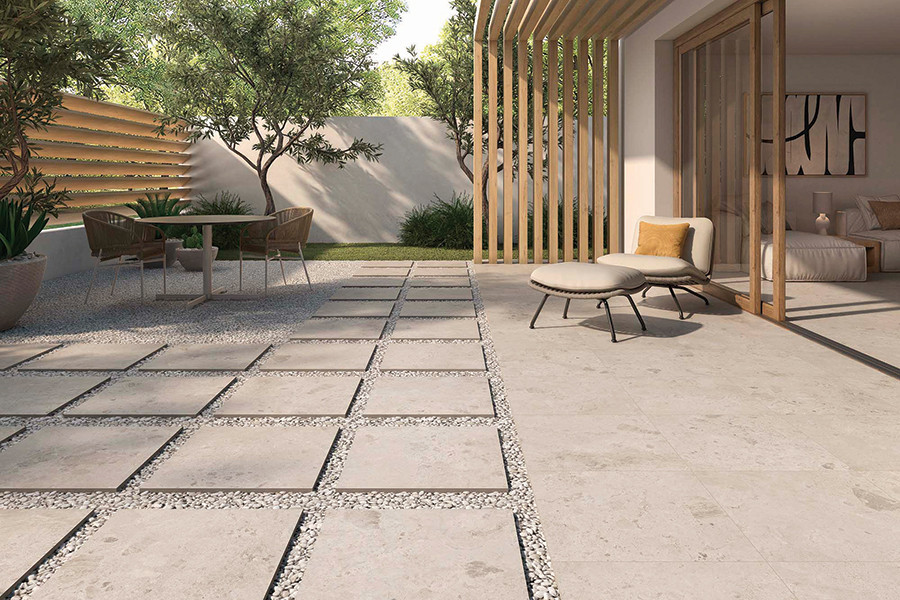
OUTDOOR spaces have become an essential extension of residential and commercial environments across the UK. From private backyards to high-traffic driveways, the demand for durable, low-maintenance, and aesthetically versatile materials continues to grow. In this context, 20mm porcelain paving has emerged as a leading solution, offering a combination of technical performance and design flexibility that responds particularly well to the challenges of the British climate.
One of the most significant advantages of 20mm porcelain lies in its strength and durability. Manufactured through high-pressure compaction and firing processes, these tiles achieve a dense and highly resistant structure. This makes them suitable not only for pedestrian areas such as patios and terraces, but also for driveways and spaces subject to vehicular traffic when installed correctly.
The UK’s weather conditions play a crucial role in material selection for outdoor use. Frequent rainfall, combined with seasonal freeze-thaw cycles, can severely affect more porous materials. Porcelain, however, is virtually non-porous, with water absorption rates below 0.5%. This characteristic prevents water ingress, significantly reducing the risk of cracking or structural damage owing to freezing temperatures. This also means that, unlike natural stone, which often requires sealing and ongoing treatment, porcelain surfaces are highly resistant to stains, moss, and algae growth, so routine cleaning with water and mild detergents is typically enough maintenance. As a result, 20mm porcelain maintains its integrity and appearance over time, even in demanding environments.
Slip resistance is another key factor, particularly in outdoor areas exposed to moisture. 20mm porcelain tiles are specifically designed with textured or anti-slip surfaces, providing reliable grip under wet conditions.
From a design perspective, 20mm porcelain offers remarkable versatility. Advances in manufacturing technology allow for highly realistic interpretations of natural materials such as limestone, slate, or wood, as well as contemporary concrete or industrial finishes. The consistency in size, colour, and finish ensures a high-quality, uniform result across installations.
In the UK, installation practices for 20mm porcelain typically involve bonding the tiles with suitable adhesive systems onto prepared substrates, particularly in applications such as driveways and backyards. When installed following best practices, this method ensures a stable, long-lasting surface capable of withstanding both environmental and mechanical stresses.
At Geotiles, we have been actively supplying 20mm porcelain solutions tailored to the needs of the UK market. Our collections are developed to meet the technical requirements of outdoor applications, combining high slip resistance with a wide range of finishes designed to suit both traditional and contemporary projects. Through our experience working with distributors and contractors across the UK, we have seen how this material is increasingly specified for residential landscaping as well as commercial developments.
Projects completed in recent years highlight the growing preference for porcelain in outdoor environments. These installations demonstrate how 20mm porcelain can enhance outdoor spaces while providing long-term performance with minimal maintenance. As outdoor living continues to gain importance, porcelain paving is set to play a central role in shaping functional, attractive, and resilient exterior spaces.
Rafa Beltran
Export manager at Geotiles