
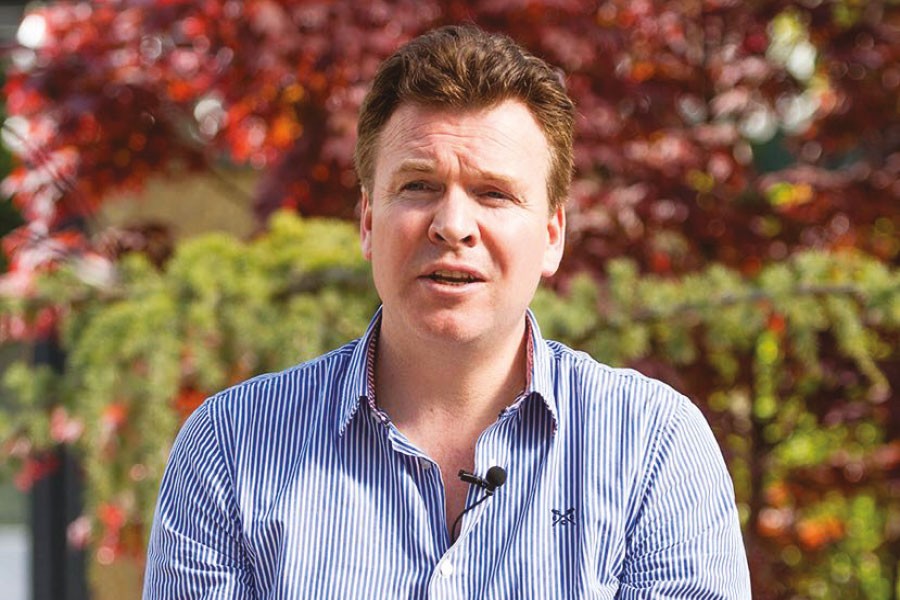
Mark Atkins, director at LTP updates us on how to take care of tiles and maintain them.
GETTING a customer to invest in good maintenance products isn’t easy. Having bought new tiles, and possibly other ancillaries, they’re generally not terribly receptive to an ‘aftercare sales pitch’. The problem is that when it comes to natural materials, people generally need to be educated.
The vein-cut marble project
I often use a vein-cut marble project as an example. The case in point was an installation in a high-end London home which cost about £10,000. The housekeeper applied a spray detergent and left it to run down the face of the vein-cut marble within the shower enclosure. The detergent was a general-purpose kitchen and bathroom cleaner, designed to remove limescale and dirt. On a marble-effect porcelain or ceramic surface, this probably wouldn’t have caused too much of an issue. But because the product was highly acidic, contact with the delicate polished marble caused etching and irreversible damage to the whole of the wall surface. In some instances, an attempt could have been made to re-burnish the marble, to polish out the damage, but the amount of water needed, and the size of the bathroom ruled this out.
The problem with eco-cleaners and natural cleaning hacks
More recently, eco-cleaners and home-made cleaning hacks – regularly touted online – have been causing headaches.
Many natural eco-cleaners can cause damage to natural surfaces, despite being ‘toxic-free.’ Naming no names but look closely at the label on a leading anti-bacterial all-purpose cleaner and it states that it isn’t suitable for natural stone because it’s acid-based.
Meanwhile, mixtures of vinegar, soda crystals, bicarbonate of soda, water and lemon used to make disinfectants can also damage natural surfaces. That’s because materials like limestone and marble are sensitive to acid and alkaline which these contain in high levels; vinegar and lemon are very acidic and soda is highly alkaline. Both can erode or ‘eat away’ natural surfaces like stone floors, tiles, countertops and mosaics – and damage any protective sealer that’s been applied. It’s useful to think about the pH scale before choosing or making a cleaning product.
The pH scale
The pH scale runs from 0-14 and anything that scores a seven is considered pH neutral and safe to use on all surfaces. Anything below seven is considered acidic and anything above a seven is considered alkaline. Acidic solutions are best at removing calcium, rust and other mineral ‘non-organic’ stains. Lemon and vinegar score around three on the pH-scale and toilet bowl cleaner is the most acidic, with a pH of 1-3. At the alkaline end of the scale, you’ll find bleach and many tile cleaners; they’ve a high pH value of 11-13 and are best at removing ‘organic’ dirt, grease and oil.
How progress has compounded the problem
Tile manufacturers have become incredibly good at copying natural materials like marble. As a result, some people may not recognise an authentic material or realise it needs to be treated differently. Multiple surface finishes may then be maintained with the same general purpose ‘tough on grime’ product, rather than a more gentle pH neutral detergent that would provide a safer – and just as effective – solution.
The insurers got involved at the property In London. It materialised that the marble suppliers didn’t offer any maintenance advice at the point-of-sale and the installers didn’t give any guidance on aftercare. The architects who commissioned the marble for the client didn’t specify a sealer or provide any care advice – and the cleaners couldn’t have been expected to know the difference between a glazed engineered tile and polished marble. If the correct advice had been given at any stage, the issue might have been avoided.
Shockingly, the cleaning product that caused the damage cost just 64p. A concentrated, specialist neutral detergent probably wouldn’t have cost any more, per wash. As awful as this sorry story is, it serves as a good example all these years later; it’s always worth offering that best practice advice, no matter how prickly the customer might be.
01823 666213
info@ltp-online.co.uk
www.ltp-online.co.uk